
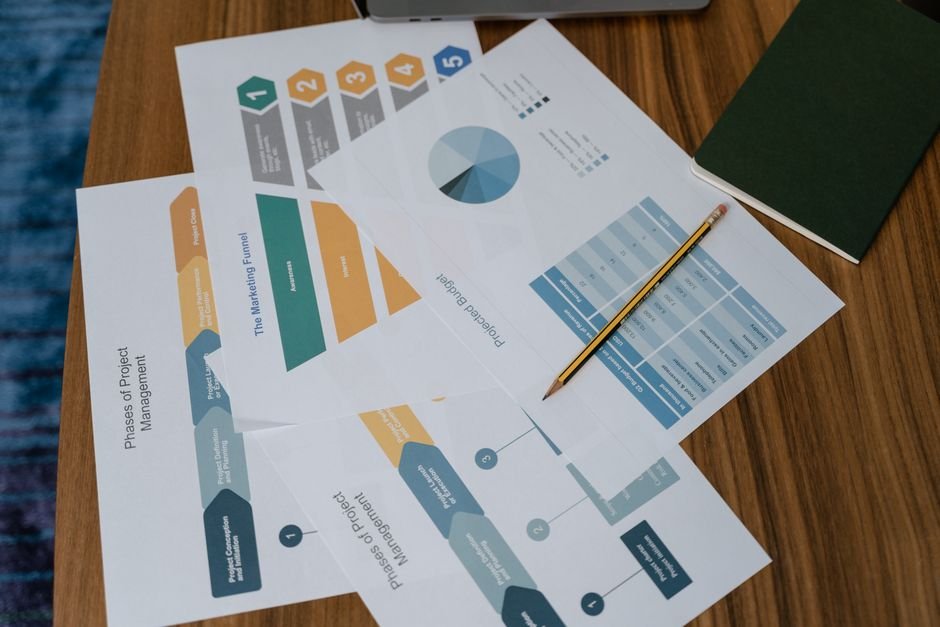
Introduction to Creating a Content Marketing Funnel
A well-structured content marketing funnel is crucial for driving sales and revenue growth in any business. It involves creating a series of content pieces that guide potential customers through the buying process, from awareness to conversion. A content marketing funnel typically consists of three stages: top-of-funnel (TOFU), middle-of-funnel (MOFU), and bottom-of-funnel (BOFU). Each stage requires different types of content to effectively engage and nurture leads. In this article, we will explore the steps to create a content marketing funnel that drives sales and provide practical examples to help you get started.
Before we dive into the details, it’s essential to understand the importance of digital marketing in creating a content marketing funnel. Digital marketing encompasses various channels and strategies, including content marketing, to reach and engage with your target audience. By leveraging digital marketing, you can increase brand awareness, generate leads, and drive sales.
Defining Your Target Audience
To create an effective content marketing funnel, you need to understand your target audience inside and out. This involves identifying their pain points, interests, and behaviors. You can use tools like buyer personas to create a detailed profile of your ideal customer. A buyer persona is a semi-fictional representation of your target audience, including demographic, firmographic, and psychographic characteristics. By understanding your target audience, you can create content that resonates with them and addresses their specific needs.
For example, if you’re a home services marketing company, your target audience may be homeowners who are looking for HVAC repair services. You can create content that addresses common issues faced by homeowners, such as how to maintain their HVAC systems or how to choose the right repair service.
Conducting Market Research
Conducting market research is a critical step in defining your target audience. You can use online surveys, focus groups, and social media listening to gather data about your target audience. This data can help you identify patterns and trends that can inform your content marketing strategy. For instance, you can use social media listening to identify common topics and hashtags related to your industry and create content that addresses those topics.
Creating Top-of-Funnel Content
Top-of-funnel content is designed to attract potential customers who are in the awareness stage of the buying process. This type of content is typically educational and informative, providing value to the reader without asking for anything in return. Examples of TOFU content include blog posts, eBooks, and whitepapers. The goal of TOFU content is to establish your brand as a thought leader in your industry and build trust with your target audience.
For example, you can create a blog post that provides tips and advice on how to improve your graphic designing skills. This type of content is valuable to your target audience and can help establish your brand as a trusted resource in the industry. You can also use blog posts to share your expertise and showcase your brand’s personality.
Using SEO to Optimize TOFU Content
Search engine optimization (SEO) is critical for TOFU content, as it helps your content rank higher in search engine results pages (SERPs). You can use keywords, meta descriptions, and optimizing images to improve the SEO of your TOFU content. For instance, you can use tools like Google Keyword Planner to identify relevant keywords and phrases that your target audience is searching for.
Creating Middle-of-Funnel Content
Middle-of-funnel content is designed to nurture leads who are in the consideration stage of the buying process. This type of content is typically more in-depth and provides solutions to specific problems or challenges faced by your target audience. Examples of MOFU content include case studies, webinars, and email courses. The goal of MOFU content is to educate and engage leads, providing them with the information they need to make an informed decision.
For example, you can create a case study that showcases the success of a previous customer who used your digital marketing services. This type of content is valuable to your target audience and can help build trust and credibility with your brand. You can also use email marketing automation to nurture leads and provide them with personalized content and offers.
Using Retargeting to Reach MOFU Leads
Retargeting is a powerful way to reach leads who have interacted with your MOFU content but have not yet converted. You can use retargeting ads to reach leads who have visited your website or engaged with your content on social media. For instance, you can use retargeting ads to reach leads who have abandoned their shopping cart or have not completed a purchase.
Creating Bottom-of-Funnel Content
Bottom-of-funnel content is designed to convert leads into customers. This type of content is typically more promotional and provides a clear call-to-action (CTA) to encourage leads to take action. Examples of BOFU content include sales pages, product demos, and free trials. The goal of BOFU content is to provide leads with the information they need to make a purchasing decision and to encourage them to take action.
For example, you can create a sales page that showcases the features and benefits of your product or service. You can also use free quotes or free consultations to provide leads with a clear CTA and to encourage them to take action. Additionally, you can use ROI measurement to track the effectiveness of your BOFU content and to optimize your marketing campaigns for better results.
Using Social Proof to Build Trust
Social proof is a powerful way to build trust with your target audience and to encourage them to take action. You can use customer testimonials, reviews, and ratings to demonstrate the value and effectiveness of your product or service. For instance, you can use social media to showcase customer success stories and to build trust with your target audience.
Measuring and Optimizing Your Content Marketing Funnel
Measuring and optimizing your content marketing funnel is critical to its success. You can use analytics tools to track the performance of your content and to identify areas for improvement. For example, you can use Google Analytics to track website traffic, engagement, and conversion rates. You can also use ROI measurement to track the effectiveness of your marketing campaigns and to optimize your budget for better results.
Additionally, you can use LinkedIn marketing to reach your target audience and to generate leads. You can also use PPC campaigns to reach your target audience and to drive traffic to your website.
Using A/B Testing to Optimize Your Content
A/B testing is a powerful way to optimize your content and to improve its performance. You can use A/B testing to test different versions of your content, such as headlines, images, and CTAs. For instance, you can use A/B testing to test different subject lines for your email campaigns and to identify which one performs better.
Frequently Asked Questions
Here are some frequently asked questions about creating a content marketing funnel:
- What is a content marketing funnel? A content marketing funnel is a series of content pieces that guide potential customers through the buying process, from awareness to conversion.
- How do I create a content marketing funnel? You can create a content marketing funnel by identifying your target audience, creating TOFU, MOFU, and BOFU content, and measuring and optimizing your funnel for better results.
- What types of content should I create for my funnel? You should create content that addresses the specific needs and pain points of your target audience, such as blog posts, eBooks, case studies, and sales pages.
- How do I measure the effectiveness of my content marketing funnel? You can measure the effectiveness of your funnel by tracking website traffic, engagement, and conversion rates, as well as using ROI measurement to track the effectiveness of your marketing campaigns.
- What is the role of social media in a content marketing funnel? Social media can be used to reach your target audience, to build trust and credibility, and to drive traffic to your website.
Conclusion and Next Steps
Creating a content marketing funnel that drives sales requires careful planning, execution, and optimization. By understanding your target audience, creating valuable content, and measuring and optimizing your funnel, you can drive more sales and revenue growth for your business. Remember to use digital marketing strategies, such as SEO, retargeting, and social media marketing, to reach and engage with your target audience. Additionally, use free quotes or free consultations to provide leads with a clear CTA and to encourage them to take action.
Take the first step towards creating a content marketing funnel that drives sales by getting a free quote from our team of experts. We can help you develop a customized content marketing strategy that meets your business needs and goals.




1 thought on “How to Create a Content Marketing Funnel That Drives Sales”