
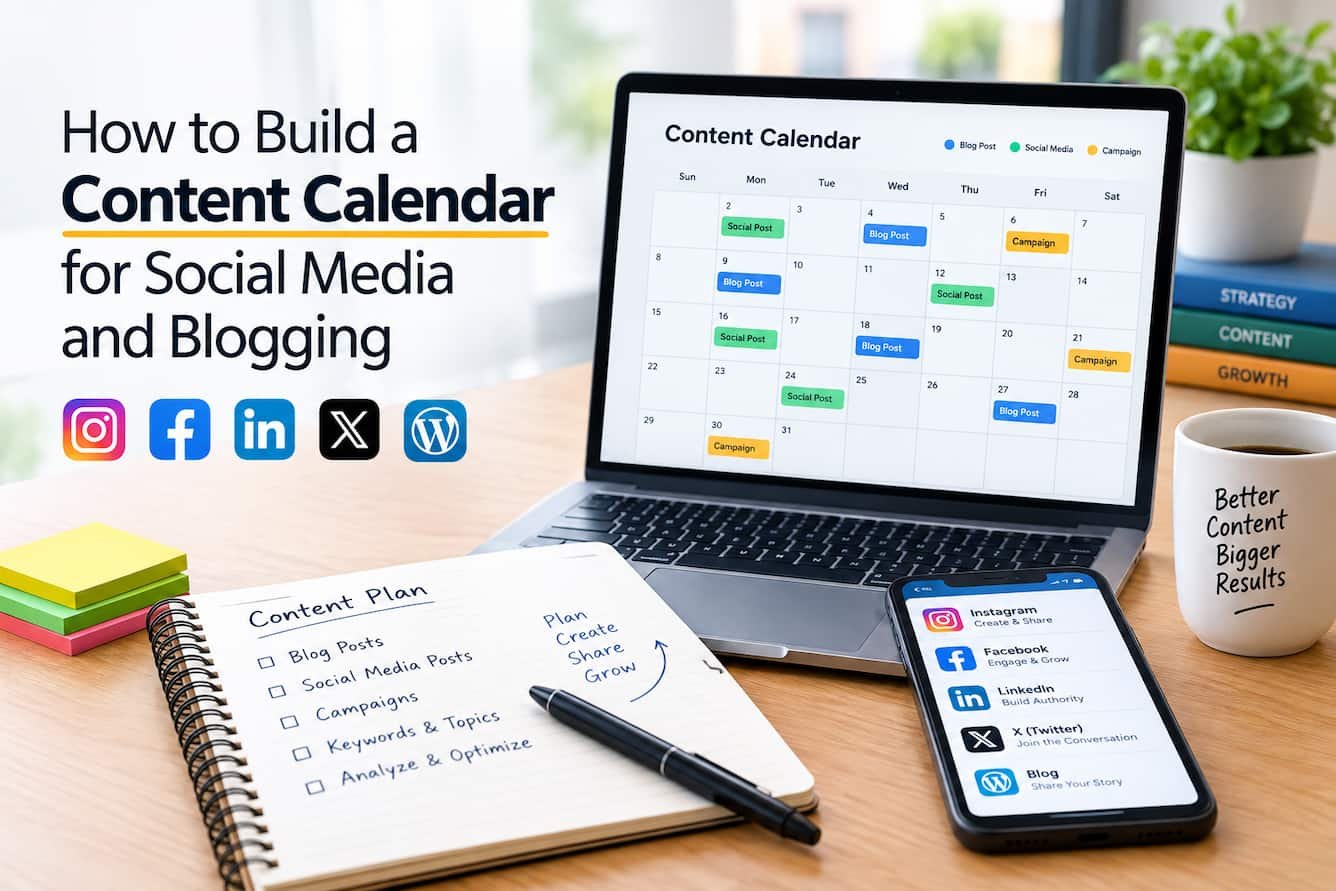
Introduction to Building a Content Calendar for Social Media and Blogging
A content calendar for social media is an essential tool for any digital marketing strategy, allowing businesses to plan, organize, and schedule their content in advance. By creating a content calendar, businesses can ensure consistency, reduce stress, and increase engagement with their audience. In this article, we will explore the steps to build a content calendar for social media and blogging, providing you with the tools and knowledge to take your content marketing to the next level.
Before we dive into the details, it’s essential to understand the importance of a content calendar in your overall digital marketing strategy. A well-planned content calendar can help you save time, increase productivity, and improve your online presence. For more information on how to plan a year of blog content, check out our article on Content Marketing Strategy: How to Plan a Year of Blog Content.
Step 1: Define Your Content Goals and Objectives
Defining your content goals and objectives is the first step in building a content calendar for social media and blogging. This involves identifying your target audience, determining the type of content you want to create, and setting specific, measurable, achievable, relevant, and time-bound (SMART) goals. For example, if you’re a small business, your goal might be to increase your social media following by 20% in the next quarter. To achieve this goal, you can create a content calendar that includes a mix of promotional, educational, and engaging content.
It’s also essential to consider your home services marketing strategy and how your content calendar will fit into it. By aligning your content calendar with your overall marketing strategy, you can ensure that your content is working towards your business goals.
Conducting a Content Audit
Conducting a content audit is an essential step in defining your content goals and objectives. This involves reviewing your existing content, identifying gaps, and determining what types of content are performing well. You can use tools like Google Analytics to track your website traffic and engagement metrics, and social media insights to track your social media performance.
Step 2: Choose a Content Calendar Tool
There are many content calendar tools available, ranging from simple spreadsheets to complex project management software. When choosing a content calendar tool, consider your team size, content volume, and budget. Some popular content calendar tools include Trello, Asana, and Hootsuite. For more information on how to create a winning PPC campaign on a small budget, check out our article on How to Create a Winning PPC Campaign on a Small Budget.
It’s also essential to consider the graphic designing aspects of your content calendar. You want to ensure that your content calendar is visually appealing and easy to use, with clear headings, sections, and deadlines.
Step 3: Plan Your Content in Advance
Planning your content in advance is a critical step in building a content calendar for social media and blogging. This involves brainstorming ideas, researching topics, and creating a content schedule. You can use a mix of evergreen content, timely content, and user-generated content to keep your audience engaged. For example, if you’re a small business, you can create a content calendar that includes a mix of promotional, educational, and engaging content, such as blog posts, social media posts, and email newsletters.
It’s also essential to consider your social media marketing strategy and how your content calendar will fit into it. By aligning your content calendar with your overall social media strategy, you can ensure that your content is working towards your business goals.
Creating a Content Schedule
Creating a content schedule is an essential step in planning your content in advance. This involves determining the frequency and timing of your content, as well as the channels you will use to distribute it. You can use a content calendar template to help you plan and organize your content schedule.
Step 4: Create Engaging and Relevant Content
Creating engaging and relevant content is a critical step in building a content calendar for social media and blogging. This involves understanding your target audience, creating content that resonates with them, and using a mix of formats and channels to keep them engaged. For example, if you’re a small business, you can create a content calendar that includes a mix of blog posts, social media posts, and email newsletters, each tailored to your target audience’s interests and needs.
It’s also essential to consider your SEO strategy and how your content calendar will fit into it. By optimizing your content for search engines, you can increase your online visibility and drive more traffic to your website.
Optimizing Your Content for AI Search
Optimizing your content for AI search is an essential step in creating engaging and relevant content. This involves understanding how AI search engines work, creating content that is optimized for AI search, and using tools like SEO for AI Search to help you optimize your content.
Step 5: Measure and Analyze Your Content Performance
Measuring and analyzing your content performance is a critical step in building a content calendar for social media and blogging. This involves tracking your website traffic, engagement metrics, and social media performance, and using the data to refine your content strategy. For example, if you’re a small business, you can use tools like Google Analytics to track your website traffic and engagement metrics, and social media insights to track your social media performance.
It’s also essential to consider your backlink strategy and how your content calendar will fit into it. By building high-quality backlinks to your website, you can increase your online authority and drive more traffic to your website.
Using Data to Refine Your Content Strategy
Using data to refine your content strategy is an essential step in measuring and analyzing your content performance. This involves analyzing your data, identifying areas for improvement, and making adjustments to your content calendar accordingly. You can use tools like Google Analytics to track your website traffic and engagement metrics, and social media insights to track your social media performance.
Frequently Asked Questions
Here are some frequently asked questions about building a content calendar for social media and blogging:
- Q: What is a content calendar, and why do I need one? A: A content calendar is a tool used to plan, organize, and schedule content in advance. You need a content calendar to ensure consistency, reduce stress, and increase engagement with your audience.
- Q: How do I choose a content calendar tool? A: When choosing a content calendar tool, consider your team size, content volume, and budget. Some popular content calendar tools include Trello, Asana, and Hootsuite.
- Q: What types of content should I include in my content calendar? A: You should include a mix of evergreen content, timely content, and user-generated content to keep your audience engaged.
- Q: How do I measure and analyze my content performance? A: You can use tools like Google Analytics to track your website traffic and engagement metrics, and social media insights to track your social media performance.
- Q: How do I optimize my content for AI search? A: You can use tools like SEO for AI Search to help you optimize your content for AI search engines.
Conclusion and Next Steps
Building a content calendar for social media and blogging is a critical step in any digital marketing strategy. By following the steps outlined in this article, you can create a content calendar that helps you save time, increase productivity, and improve your online presence. For more information on how to structure your website for better SEO, check out our article on Internal Linking Strategy: How to Structure Your Website for Better SEO. If you’re looking for help with your content calendar, consider reaching out to our team for a free quote.