

Introduction to Content Marketing Strategy
Developing a content marketing strategy for beginners can be a daunting task, especially when planning a year’s worth of blog content. However, with a clear understanding of your target audience, goals, and the right tools, you can create a comprehensive plan that drives engagement and conversion. In this article, we will delve into the steps and considerations necessary for planning a successful year of blog content, helping you establish a solid foundation for your digital marketing efforts.
A well-structured content marketing strategy is crucial for any business, as it enables you to connect with your audience, build brand awareness, and ultimately drive sales. By incorporating a mix of informative, entertaining, and engaging content, you can establish your brand as an authority in your industry and attract a loyal following. To get started, visit our Digital Marketing page to learn more about the services we offer and how we can help you achieve your marketing goals.
Defining Your Target Audience
Before you begin planning your content, it’s essential to have a clear understanding of your target audience. This includes their demographics, interests, pain points, and behaviors. By creating buyer personas, you can tailor your content to meet the specific needs and preferences of your audience, increasing the likelihood of engagement and conversion. For example, if you’re a home services company, you may want to target homeowners who are interested in home services marketing and are looking for tips on how to improve their home’s value.
Conducting Audience Research
Conducting audience research involves gathering data and insights about your target audience. This can be done through surveys, focus groups, social media listening, and analytics tools. By analyzing this data, you can identify patterns and trends that will inform your content strategy and ensure that your content resonates with your audience. Additionally, you can use tools like Google Analytics to track your website traffic and understand how your audience is interacting with your content.
Setting Content Goals and Objectives
Once you have a clear understanding of your target audience, you can set content goals and objectives that align with your business objectives. This may include increasing website traffic, generating leads, boosting sales, or improving brand awareness. By setting specific, measurable, achievable, relevant, and time-bound (SMART) goals, you can create a roadmap for your content strategy and track your progress over time. For instance, you may want to increase your website traffic by 20% within the next 6 months, which can be achieved by creating high-quality, SEO-friendly blog posts that attract and engage your target audience.
Aligning Content with Business Objectives
It’s essential to ensure that your content goals and objectives align with your business objectives. This means that your content should be designed to support your overall business strategy and contribute to your bottom line. By doing so, you can create a content strategy that is both effective and efficient, driving real results for your business. Our Get a Free Quote page can help you get started on creating a customized content strategy that meets your business needs.
Planning Your Content Calendar
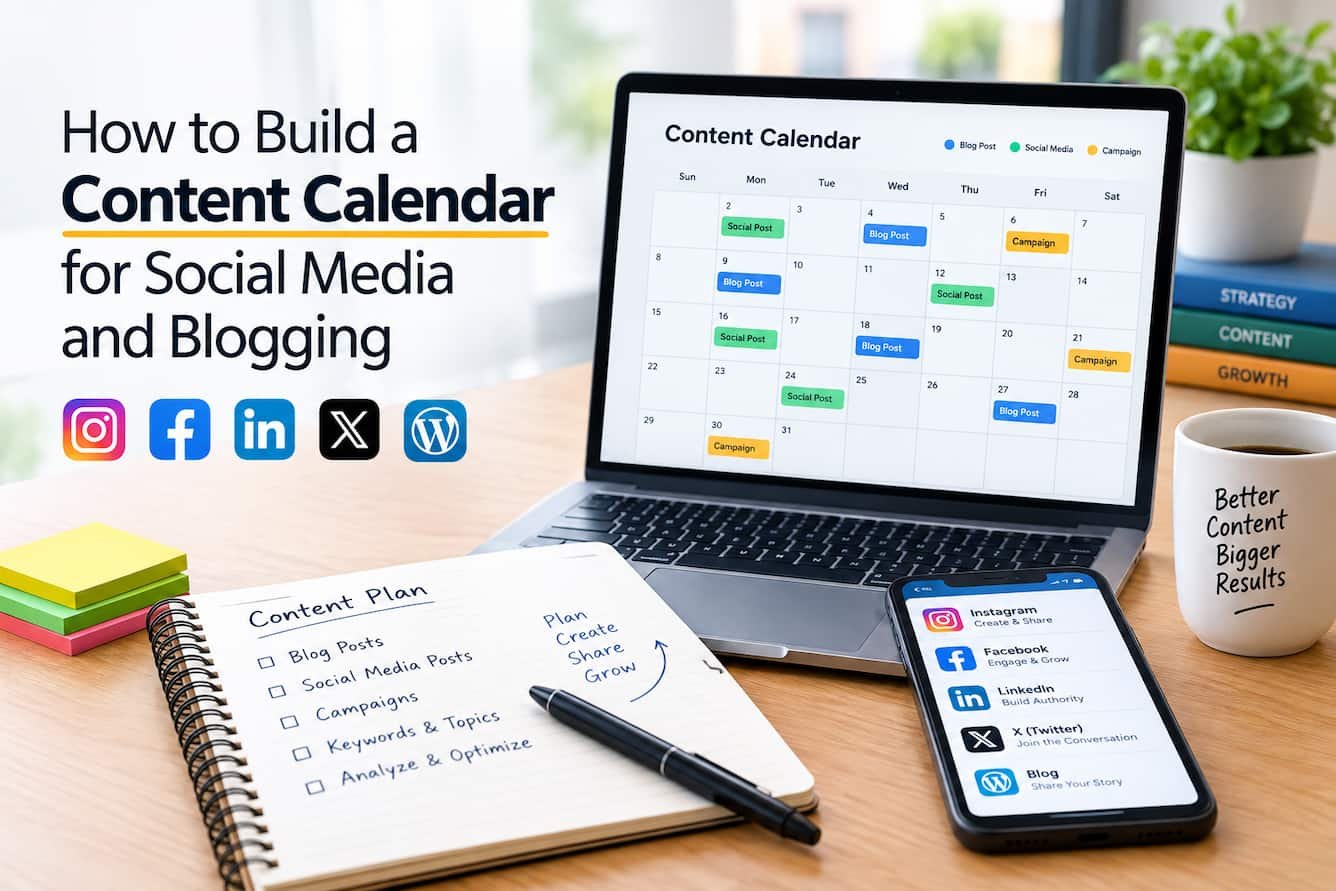
A content calendar is a vital tool for planning and organizing your content in advance. It helps you ensure that you’re consistently publishing high-quality content that resonates with your audience and supports your business objectives. By planning your content calendar, you can avoid last-minute scrambles, reduce stress, and increase productivity. You can use a spreadsheet or a tool like Trello to create a content calendar that works for you. Additionally, you can use our Blog as a resource to stay up-to-date on the latest content marketing trends and best practices.
Brainstorming Content Ideas
Brainstorming content ideas is an essential part of planning your content calendar. This involves coming up with a list of topics, themes, and ideas that will engage and resonate with your audience. You can use techniques like mind mapping, free writing, or group brainstorming to generate ideas and get creative. For example, you can use Graphic Designing to create visually appealing content that captures your audience’s attention and communicates your message effectively.
Creating High-Quality Content
Creating high-quality content is critical to the success of your content marketing strategy. This involves crafting content that is informative, engaging, and optimized for search engines. By using a mix of formats, such as blog posts, videos, and social media posts, you can cater to different learning styles and preferences, increasing the likelihood of engagement and conversion. For instance, you can use image optimization techniques to improve the loading speed of your website and enhance the user experience.
Optimizing Content for SEO
Optimizing your content for SEO is essential for increasing visibility, driving organic traffic, and supporting your business objectives. By using relevant keywords, meta descriptions, and optimizing images, you can improve your content’s search engine ranking and attract more qualified leads. Our SEO for AI Search guide can help you stay ahead of the curve and optimize your content for the latest search engine algorithms.
Measuring and Evaluating Content Performance
Measuring and evaluating content performance is crucial to understanding the effectiveness of your content marketing strategy. By tracking metrics like website traffic, engagement, and conversion rates, you can identify areas for improvement and make data-driven decisions to optimize your content. For example, you can use backlink building strategies to increase your website’s authority and improve your search engine ranking. Additionally, you can use our Internal Linking Strategy guide to optimize your website’s structure and improve user experience.
Using Analytics Tools
Using analytics tools like Google Analytics can help you track your content’s performance and make data-driven decisions. By analyzing metrics like page views, bounce rates, and conversion rates, you can identify areas for improvement and optimize your content to better meet the needs of your audience. For instance, you can use broken link building techniques to improve your website’s user experience and increase engagement.
Frequently Asked Questions
Here are some frequently asked questions about content marketing strategy:
- Q: What is the best way to plan a year’s worth of blog content?
A: The best way to plan a year’s worth of blog content is to create a content calendar that outlines your content strategy, including topics, formats, and publication dates. You can use a spreadsheet or a tool like Trello to create a content calendar that works for you. - Q: How can I ensure that my content resonates with my target audience?
A: To ensure that your content resonates with your target audience, you need to have a clear understanding of their needs, preferences, and pain points. You can use audience research, surveys, and focus groups to gather data and insights that will inform your content strategy. - Q: What is the importance of SEO in content marketing?
A: SEO is critical to the success of your content marketing strategy, as it helps increase visibility, drives organic traffic, and supports your business objectives. By optimizing your content for search engines, you can improve your content’s search engine ranking and attract more qualified leads. - Q: How can I measure the effectiveness of my content marketing strategy?
A: You can measure the effectiveness of your content marketing strategy by tracking metrics like website traffic, engagement, and conversion rates. By using analytics tools like Google Analytics, you can identify areas for improvement and make data-driven decisions to optimize your content. - Q: What is the role of internal linking in content marketing?
A: Internal linking plays a crucial role in content marketing, as it helps improve user experience, increases engagement, and supports SEO. By using internal linking strategies, you can create a clear hierarchy of content, improve navigation, and increase the visibility of your content.
Conclusion and Next Steps
In conclusion, planning a year of blog content requires a comprehensive content marketing strategy that aligns with your business objectives and resonates with your target audience. By following the steps outlined in this article, you can create a content strategy that drives engagement, conversion, and real results for your business. To get started, visit our Digital Marketing page to learn more about our services and how we can help you achieve your marketing goals. Remember to stay up-to-date with the latest content marketing trends and best practices by visiting our Blog regularly.
As a final note, don’t forget to optimize your content for SEO and use internal linking strategies to improve user experience and increase engagement. By doing so, you can create a content marketing strategy that is both effective and efficient, driving real results for your business. Our SEO for Startups guide can help you get started on creating a comprehensive SEO strategy that drives organic traffic and supports your business growth.



1 thought on “Content Marketing Strategy: How to Plan a Year of Blog Content”