
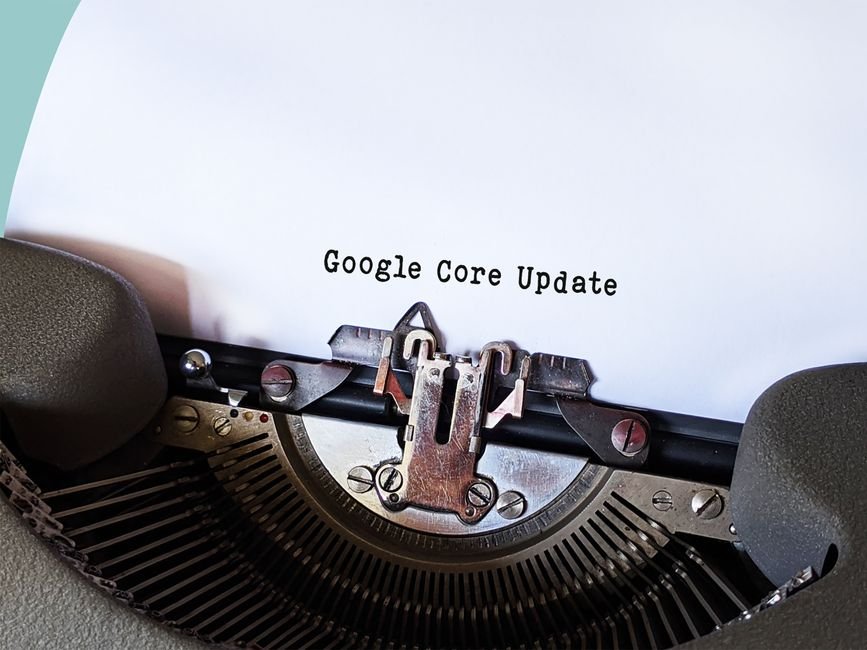
Introduction to Recovering from Google Algorithm Update Penalties
Recovering from a Google algorithm update penalty can be a daunting task, especially for those who are new to the world of search engine optimization (SEO). Google’s algorithm updates are designed to improve the quality and relevance of search results, but they can also have a significant impact on a website’s ranking and traffic. If your website has been penalized by a Google algorithm update, it’s essential to take immediate action to recover and restore your online visibility. In this article, we’ll provide a step-by-step guide on how to recover from a Google algorithm update penalty and get your website back on track.
Before we dive into the recovery process, it’s crucial to understand the different types of Google algorithm updates and how they can affect your website. Google releases several algorithm updates every year, each with its own set of rules and guidelines. Some updates are minor and may not have a significant impact on your website, while others can be major and result in a significant drop in ranking and traffic. By understanding the different types of algorithm updates and how they work, you can better prepare your website for future updates and avoid penalties.
Understanding Google Algorithm Updates
Google algorithm updates are designed to improve the quality and relevance of search results. These updates can be broadly categorized into two types: core updates and feature updates. Core updates are designed to improve the overall quality of search results, while feature updates are designed to add new features and functionality to the search engine. Understanding the different types of algorithm updates is crucial to recovering from a penalty, as it can help you identify the cause of the penalty and take corrective action.
Types of Google Algorithm Updates
There are several types of Google algorithm updates, including core updates, feature updates, and spam updates. Core updates are designed to improve the overall quality of search results, while feature updates are designed to add new features and functionality to the search engine. Spam updates, on the other hand, are designed to combat spam and low-quality content. By understanding the different types of algorithm updates, you can better prepare your website for future updates and avoid penalties.
For example, if your website has been penalized by a core update, you may need to review your content and ensure that it is high-quality and relevant to your target audience. On the other hand, if your website has been penalized by a spam update, you may need to review your link profile and ensure that it is free from spammy links. By understanding the different types of algorithm updates, you can take targeted action to recover from a penalty and restore your online visibility.
Identifying the Cause of the Penalty
Identifying the cause of the penalty is the first step in recovering from a Google algorithm update penalty. To do this, you’ll need to review your website’s analytics and search engine rankings to determine the extent of the penalty. You can use tools like Google Analytics and Google Search Console to review your website’s traffic and ranking data. By analyzing this data, you can identify the cause of the penalty and take corrective action.
Common Causes of Google Algorithm Update Penalties
There are several common causes of Google algorithm update penalties, including low-quality content, spammy links, and poor user experience. Low-quality content can include thin content, duplicate content, and content that is not relevant to your target audience. Spammy links, on the other hand, can include links from low-quality websites, links that are not relevant to your content, and links that are designed to manipulate search engine rankings. Poor user experience can include slow page speed, poor mobile usability, and poor navigation.
For example, if your website has been penalized for low-quality content, you may need to review your content strategy and ensure that you are creating high-quality, relevant content that meets the needs of your target audience. You can use tools like keyword research to identify the keywords and topics that are most relevant to your target audience and create content that meets their needs.
Creating a Recovery Plan
Once you’ve identified the cause of the penalty, you can create a recovery plan to restore your online visibility. This plan should include steps to address the cause of the penalty, as well as steps to improve your website’s overall quality and relevance. For example, if your website has been penalized for low-quality content, your recovery plan may include steps to review and improve your content, as well as steps to increase your content’s relevance and authority.
Steps to Include in Your Recovery Plan
There are several steps that you should include in your recovery plan, including reviewing and improving your content, increasing your content’s relevance and authority, and improving your website’s user experience. Reviewing and improving your content can include steps like reviewing your content strategy, ensuring that your content is high-quality and relevant, and optimizing your content for keywords and topics that are most relevant to your target audience. Increasing your content’s relevance and authority can include steps like building high-quality backlinks, increasing your social media presence, and engaging with your target audience.
For example, you can use tools like technical SEO checklist to identify technical SEO issues that may be affecting your website’s ranking and traffic. You can also use tools like schema markup to add structured data to your website and improve your content’s relevance and authority.
Implementing Your Recovery Plan
Once you’ve created your recovery plan, you can start implementing the steps to restore your online visibility. This can include steps like reviewing and improving your content, increasing your content’s relevance and authority, and improving your website’s user experience. By implementing these steps, you can address the cause of the penalty and improve your website’s overall quality and relevance.
Tools to Help You Implement Your Recovery Plan
There are several tools that can help you implement your recovery plan, including tools like Google Analytics, Google Search Console, and SEO audit tools. These tools can help you track your website’s traffic and ranking data, identify technical SEO issues, and optimize your content for keywords and topics that are most relevant to your target audience. By using these tools, you can streamline the recovery process and get your website back on track faster.
For example, you can use tools like Core Web Vitals to improve your website’s page speed and user experience. You can also use tools like duplicate content checker to identify and fix duplicate content issues that may be affecting your website’s ranking and traffic.
Maintaining Your Website’s Quality and Relevance
Once you’ve recovered from a Google algorithm update penalty, it’s essential to maintain your website’s quality and relevance to avoid future penalties. This can include steps like regularly reviewing and improving your content, increasing your content’s relevance and authority, and improving your website’s user experience. By maintaining your website’s quality and relevance, you can ensure that your website remains visible and attractive to your target audience.
Best Practices for Maintaining Your Website’s Quality and Relevance
There are several best practices that you can follow to maintain your website’s quality and relevance, including regularly reviewing and improving your content, increasing your content’s relevance and authority, and improving your website’s user experience. Regularly reviewing and improving your content can include steps like reviewing your content strategy, ensuring that your content is high-quality and relevant, and optimizing your content for keywords and topics that are most relevant to your target audience.
For example, you can use tools like digital marketing to increase your website’s visibility and attract more traffic. You can also use tools like graphic designing to improve your website’s user experience and make it more visually appealing.
Frequently Asked Questions
Here are some frequently asked questions about recovering from a Google algorithm update penalty:
- Q: How long does it take to recover from a Google algorithm update penalty?
A: The time it takes to recover from a Google algorithm update penalty can vary depending on the severity of the penalty and the effectiveness of your recovery plan. However, with a well-planned and executed recovery plan, you can recover from a penalty in a matter of weeks or months. - Q: What are the most common causes of Google algorithm update penalties?
A: The most common causes of Google algorithm update penalties include low-quality content, spammy links, and poor user experience. By avoiding these common mistakes, you can reduce your risk of being penalized by a Google algorithm update. - Q: How can I prevent future penalties?
A: To prevent future penalties, you should regularly review and improve your content, increase your content’s relevance and authority, and improve your website’s user experience. By maintaining your website’s quality and relevance, you can ensure that your website remains visible and attractive to your target audience. - Q: What tools can I use to help me recover from a Google algorithm update penalty?
A: There are several tools that can help you recover from a Google algorithm update penalty, including tools like Google Analytics, Google Search Console, and SEO audit tools. These tools can help you track your website’s traffic and ranking data, identify technical SEO issues, and optimize your content for keywords and topics that are most relevant to your target audience. - Q: How can I get help with recovering from a Google algorithm update penalty?
A: If you need help recovering from a Google algorithm update penalty, you can consult with a professional SEO expert who can provide you with personalized guidance and support. You can also use tools like SEO blog to stay up-to-date with the latest SEO trends and best practices.
Conclusion
Recovering from a Google algorithm update penalty requires a thorough understanding of the cause of the penalty and a well-planned recovery strategy. By following the steps outlined in this article, you can identify the cause of the penalty, create a recovery plan, and implement the steps to restore your online visibility. Remember to regularly review and improve your content, increase your content’s relevance and authority, and improve your website’s user experience to maintain your website’s quality and relevance. If you need help with recovering from a Google algorithm update penalty, don’t hesitate to consult with a professional SEO expert or use tools like SEO audit tools to get started.


1 thought on “How to Recover from a Google Algorithm Update Penalty”